Quick Summary:
If your dashboard lights up, your brakes squeal, your car pulls to one side, or it has simply been more than 12 months since your last logbook service, your car is telling you something. Canberra's cold winters and dry summers are hard on batteries, coolant systems, and brakes, and the AAA's own affordability data shows Canberra households already pay the highest servicing and tyre costs in the country. Catching these seven warning signs early is the cheapest and safest way to avoid a breakdown on Parkes Way or the Monaro Highway.
A car rarely breaks down without warning. Long before the tow truck gets a call, most vehicles give off small clues, a light on the dash, a faint smell, a noise that wasn't there last week. Drivers who catch these signs early usually pay for a service. Drivers who ignore them usually pay for a repair, and repairs cost a lot more than routine maintenance.
This guide walks through the seven most common warning signs that a car needs attention now, why Canberra's climate makes some of these issues show up earlier than in other cities, and what a proper car servicing appointment actually involves. It's written for drivers across Canberra and the surrounding region, including Queanbeyan, Fyshwick, Jerrabomberra, Kingston, Griffith, Narrabundah, Hume, Oaks Estate, Beard, and near Canberra Airport, since the same seasonal wear and tear applies right across the region.
Why Does Servicing Matter More in Canberra?
Canberra isn't an easy city for cars. Winter mornings regularly dip below freezing, which puts extra strain on batteries and puts thicker, colder oil through the engine before it warms up. Summer swings the other way, with hot, dry days that push cooling systems and air conditioning compressors hard. That seasonal swing is one reason the Australian Automobile Association's Transport Affordability Index has repeatedly found that Canberra households spend more on servicing and tyres each year than any other capital city, close to $2,470 annually according to recent figures, compared with a national household average closer to $1,870 to $1,900.
Delaying maintenance doesn't avoid that cost, it just moves it further down the road and adds interest. Recent industry research also found that almost half of Australian drivers are now putting off servicing, largely because of cost of living pressure, even though deferred maintenance is one of the more common causes of avoidable breakdowns and unsafe driving conditions. Drivers commuting in from Queanbeyan and Jerrabomberra, or running deliveries through the Fyshwick and Hume industrial areas, tend to notice these seasonal issues even earlier, simply because of the extra kilometres covered each week. It's one of the reasons having a local, trusted mechanic who knows the local roads and climate is worth more than a one-off dealership visit.
Did You Know?
Roadside assistance data from NRMA consistently shows that flat batteries account for close to a quarter of all callouts, and roughly one in four breakdowns end in a tow because the fault can't be fixed on the roadside. Most of these are preventable with a basic battery and charging system check during a routine service.
Expert Tip: Preventative maintenance is almost always cheaper than reactive repair. A basic service every six to twelve months catches small issues, like a worn belt or a slightly low fluid level, before they turn into a breakdown on the Monaro Highway or Federal Highway near Canberra Airport.
If you're based near Kingston, Griffith, or Narrabundah and you're noticing any of the signs below, it's worth booking a general car servicing appointment before a longer road trip or the change of season.
1. A Warning Light Stays On
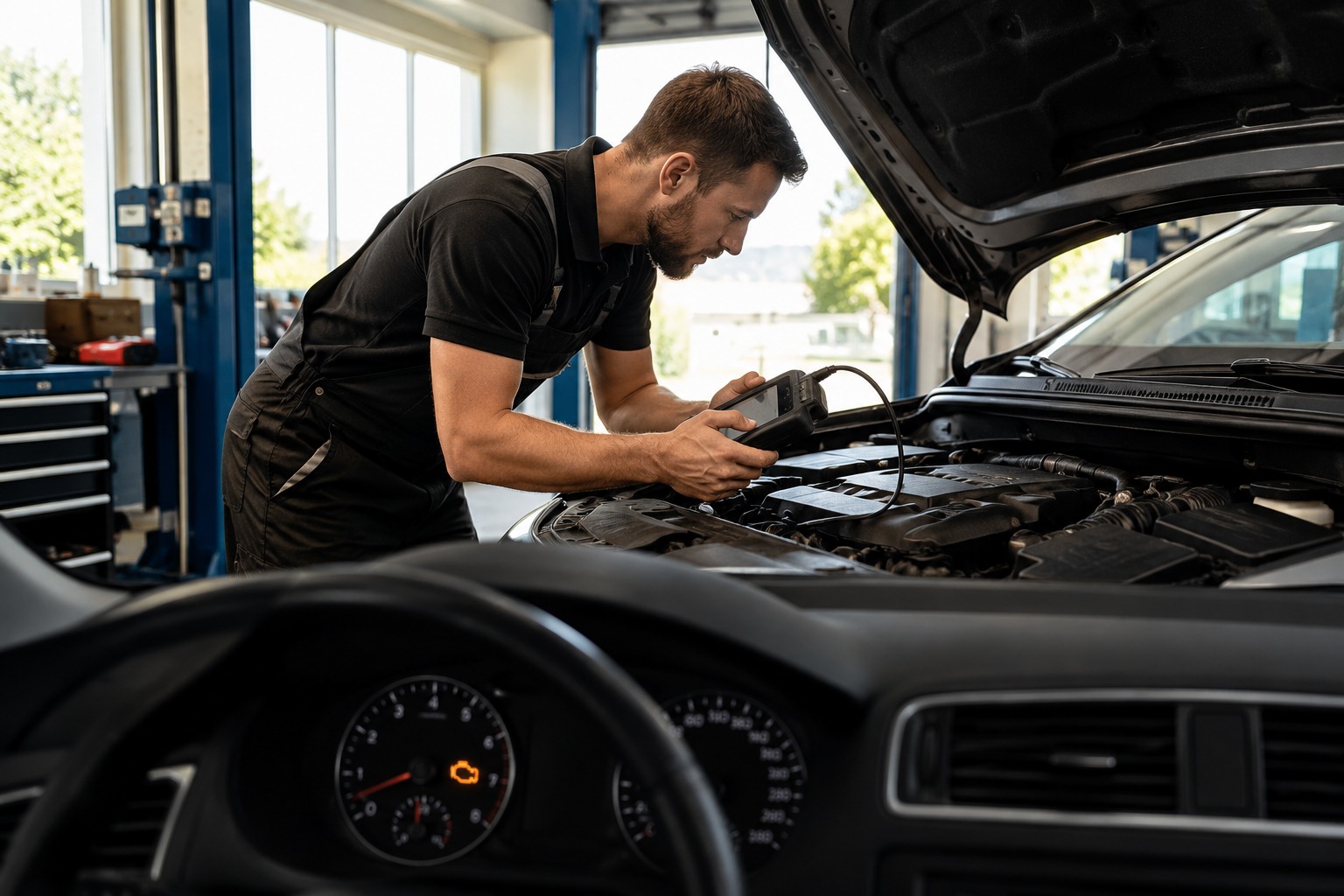
The engine management light, battery light, oil pressure light, or ABS light are not decorative. Each one is connected to a sensor built to flag a specific fault before it becomes serious. A light that stays on, flickers, or comes on and off intermittently means the car's computer has already logged a fault code.
Modern cars, especially European models like Audi, BMW, and Mercedes-Benz, rely heavily on onboard diagnostics to manage engine timing, emissions, and safety systems. Ignoring a lit dashboard warning is one of the fastest ways to turn a $150 fix into a $1,500 one. A proper car diagnostics scan reads the exact fault code stored in the vehicle's computer, rather than guessing.
If the battery light is the one staying on, it's also worth having the charging system checked alongside a battery replacement assessment, since an alternator fault and a tired battery often show the same symptom on the dash.
Not sure what a particular warning light means? Book a diagnostics check and get a plain-English explanation of the fault code before deciding on a repair.
Not sure what a particular warning light means? Book a diagnostics check and get a plain-English explanation of the fault code before deciding on a repair.
2. Strange Noises When Driving
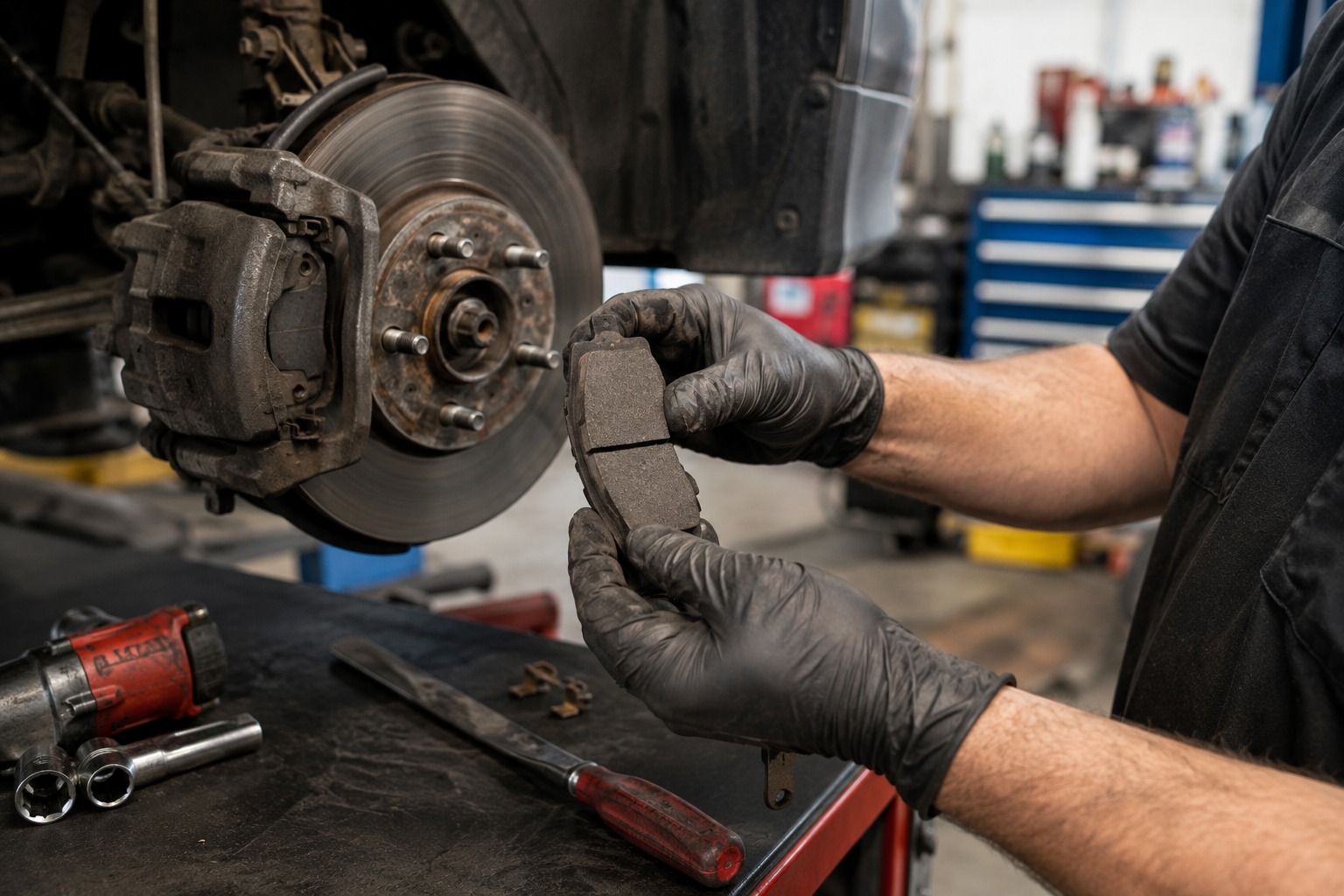
Cars are supposed to be relatively quiet. A squeal when braking, a grinding sound when turning, a knocking under the bonnet, or a rattle over bumps are all signs something has changed.
Noise | Common Cause | Urgency |
|---|---|---|
High-pitched squeal when braking | Worn brake pad wear indicator | Book within days |
Grinding when braking | Metal-on-metal brake wear | Urgent, stop driving hard |
Knocking under load | Engine or suspension component wear | Book promptly |
Rattling at idle | Loose heat shield or exhaust mount | Book soon |
Squealing on startup | Worn or loose drive belt | Book within a week |
Front brake pads do the majority of the stopping work on most vehicles, which is exactly why they wear out faster than the rears and are usually the first thing to squeal. A squeal or grind is worth a proper brake repairs inspection rather than waiting to see if it goes away.
A knocking sound under load, especially over speed bumps or Canberra's roundabouts, can also point to worn suspension components. If the noise is paired with any vibration, it's worth having suspension repairs and a wheel alignment checked at the same time, since the two systems work together.
Expert Tip: Brake pads rarely fail without warning. Most are fitted with a small metal wear indicator that produces a light squeal well before the pad is dangerously thin. Treat that first squeal as a booking reminder, not background noise.
Hearing a new noise you can't quite place? A quick inspection now is far cheaper than a roadside callout later.
3. Vibration, Pulling, or Shaking
If the steering wheel shakes at speed, the car pulls to one side under braking, or there's a vibration through the pedal, something in the suspension, wheel alignment, tyres, or brakes needs attention. This is one of the more safety-critical warning signs on this list, because it directly affects how the car handles in an emergency stop or wet weather, both of which Canberra drivers deal with often.
A car pulling to one side is frequently a simple wheel alignment issue, particularly after hitting a pothole or kerb, which is common on some of the older roads around Oaks Estate and Fyshwick. Uneven tyres wear or incorrect pressure can produce the same symptom, so it's worth having both checked together rather than guessing which one is at fault.
If your steering wheel shakes above 80 km/h, book a wheel alignment and tyre check before your next highway trip.
4. Fluid Leaks or Burning Smells
A patch under the car, low fluid levels between services, or a burning smell after driving are all signals worth acting on immediately.
Fluid Colour | Likely System | Action |
|---|---|---|
Dark brown or black, thin | Engine oil | Check oil level, book a service |
Pink or bright green | Coolant | Check for overheating risk |
Reddish, slightly oily | Transmission fluid | Book promptly |
Clear | Air conditioning condensation | Usually normal |
Yellowish, thick | Brake fluid | Book urgently, safety related |
A burning rubber or oil smell after driving, especially uphill towards Mount Ainslie or through the Tuggeranong Parkway, often points to a slipping belt or an oil leak onto a hot exhaust component. A yellowish, thick leak near a wheel is almost always brake fluid and should go straight to a brake repairs check rather than waiting for the next scheduled service.
Expert Tip: Never top up brake fluid as a fix on its own. A dropping brake fluid level almost always means a leak somewhere in the system, and simply refilling it hides a fault that affects stopping power.
For more on why fluid checks matter beyond just topping up levels, see our earlier post on why regular fluid services matter more than you think.
5. Your Fuel Bill Keeps Climbing
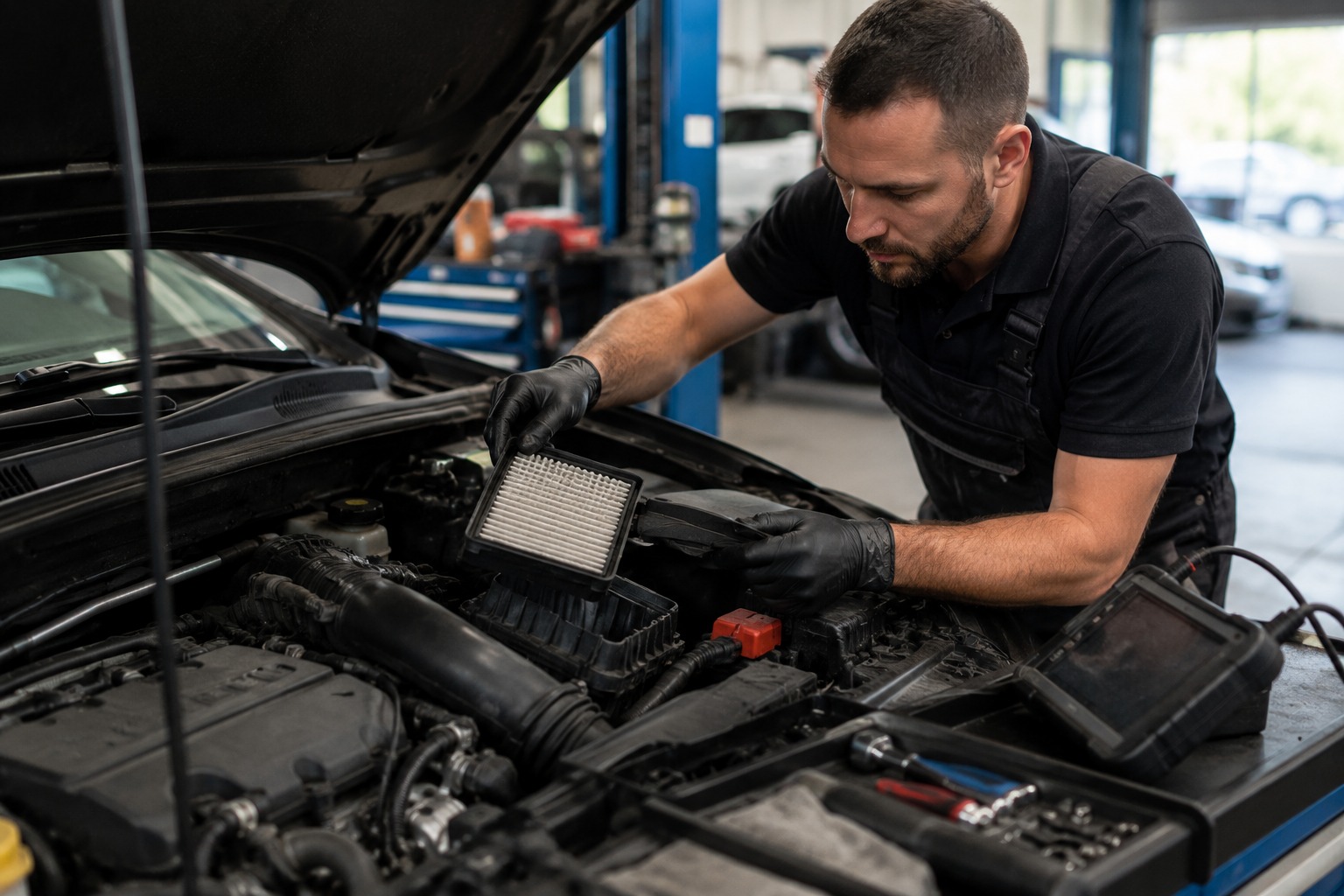
A gradual increase in how often you're filling up, with no real change in driving habits, is a quiet but reliable warning sign. Worn spark plugs, a clogged air filter, underinflated tyres, or a failing oxygen sensor can all reduce fuel efficiency by a noticeable margin without throwing an obvious fault code.
Noticed more trips to the servo lately? A logbook service check will usually pick up the cause before it gets worse.
6. Rough Idling, Stalling, or Hesitation
If the car shudders at traffic lights, stalls at roundabouts, or hesitates before accelerating, the ignition system, fuel delivery, or idle control components may be due for inspection. This is particularly common in cars that are overdue for a logbook servicing visit, since spark plugs and filters are scheduled maintenance items rather than emergency repairs, at least until they're ignored for too long.
7. It Has Simply Been Too Long
Sometimes there's no dramatic symptom at all, just a nagging feeling that it's been a while. If it has been more than 12 months or 10,000 to 15,000 kilometres since the last service, or the logbook sticker on the windscreen has faded, that alone is reason enough to book a logbook servicing appointment.
What Actually Happens During a Car Service?
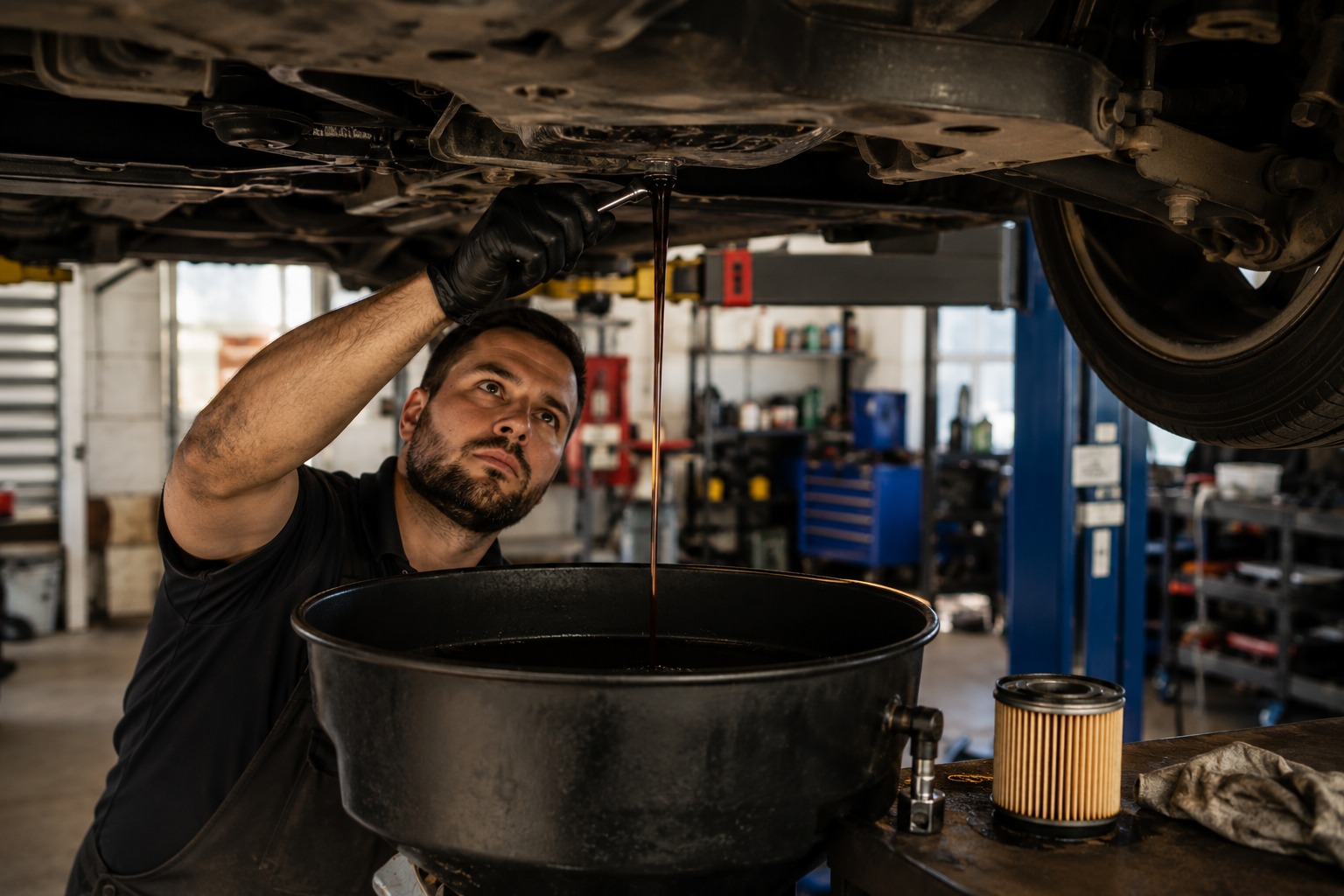
A proper car servicing appointment is not just an oil change. A qualified technician will typically check the brake system, suspension components, battery and charging system, fluid levels and condition, belts and hoses, tyre condition and pressure, and run a car diagnostics scan to check for stored fault codes across the vehicle's electronic systems. Upfront pricing before any work begins means there are no surprises when you collect the keys.
Independent workshops that service vehicles across Canberra, Queanbeyan, and the surrounding Jerrabomberra and Hume areas generally follow the same manufacturer-scheduled checklist a dealership would, just without the dealership labour rate attached to it.
How Often Should You Service Your Car in Canberra?
Service Type | Typical Interval | What's Usually Included |
|---|---|---|
Minor service | Every 6 months or 10,000 km | Oil and filter, fluid top-ups, safety inspection |
Logbook service | Every 12 months or 10,000 to 15,000 km | Manufacturer-scheduled items, warranty compliant |
Major service | Every 60,000 km intervals | Deeper inspection, belts, spark plugs, brake fluid |
Sticking to manufacturer logbook intervals through an independent, all makes welcome workshop keeps new car warranties intact under Australian Consumer Law, without paying dealership labour rates. This applies whether the car is garaged in Canberra's inner north or driven daily from Queanbeyan or Jerrabomberra, and it's a common question drivers ask about NRMA authorised repairers and warranty compliant servicing at independent workshops alike.
Expert Tip: Seasonal servicing matters as much as kilometre-based servicing. Have the cooling system checked before summer and the battery and charging system checked before winter. Canberra's temperature swings put more strain on these two systems than on most other components.
Not sure which service type your car is due for? A quick check of your logbook or a call to the workshop will confirm it in minutes.
What Mistakes Do Canberra Drivers Commonly Make?
Waiting for a light to turn off on its own. Fault lights don't self-resolve, the underlying issue usually gets worse while the light stays on.
Assuming a quiet fault means a small fault. Some of the more expensive repairs, like a slipping timing chain or a failing torque converter, start out almost silent.
Skipping the logbook service to save money short term. This is one of the most commonly deferred maintenance tasks in Australia right now, and one of the ones most likely to void a warranty claim later.
Only reacting after a breakdown. By the time a car won't start on a cold Canberra morning, the fault has usually existed for weeks.
Pro Tips From the Workshop
Book a service the moment a warning light appears, even if the car still drives fine. Early diagnosis is almost always cheaper than a later repair.
Keep a simple log of fill-ups. A sudden jump in fuel use is often the earliest sign of a developing fault.
Ask for the fault code and a plain-English explanation whenever a diagnostics scan is run. A trustworthy mechanic will show you, not just tell you.
Before winter, get the battery and charging system tested. Cold mornings expose a weak battery faster than any other season, a pattern we cover in more detail in what your car battery is trying to tell you.
Having worked on European and Japanese makes across Canberra for years at our workshop, one pattern comes up again and again: the customers who come in for a fifteen minute warning-light check almost always spend less over the life of the car than the ones who wait until something fails on the road. The same holds true for pre-purchase checks. A thorough pre-purchase vehicle inspection on a used car, particularly one bought privately, routinely uncovers brake, suspension, or fluid issues that aren't obvious on a test drive but show up clearly on a lift with the right diagnostic equipment.
Ready to get ahead of any of these seven warning signs? Book an appointment online, or get in touch if you'd like to talk through what your car is doing first.
Frequently Asked Questions
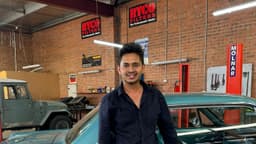
Robb
I'm Robb, the founder and owner of Robb's Automotive Batteries And Tyres. Me and my team have been servicing vehicles across the region for years—focusing on accurate diagnostics, clear communication, and reliable repairs.
From logbook servicing to brake repairs and new tyres, my priority is making sure your vehicle stays safe, protected, and performing at its best every time you hit the road.