Canberra is not a hard place to drive, but it is a demanding place to own a car. Winter mornings in Belconnen and Tuggeranong regularly sit below zero, summer in Gungahlin and Woden can push past 35 degrees, and the roads in between range from smooth parkway to gravel-edged rural routes out past Hall and Tharwa. Your car feels all of that, even when you do not.
Quick Summary
- Canberra's cold winters and dry summers put extra strain on batteries, tyres and fluids
- Logbook servicing on schedule protects your new car warranty, it does not have to be done at the dealership
- Car batteries are the single most common reason drivers get stranded, and Canberra's frosty mornings make this worse
- Warning lights are your car's way of talking to you, ignoring them almost always costs more later
- European and German vehicles need a mechanic who actually knows the platform, not a generalist guess
- Getting an upfront, written quote before any repair protects you from bill shock
Canberra is not a hard place to drive, but it is a demanding place to own a car. Winter mornings in Belconnen and Tuggeranong regularly sit below zero, summer in Gungahlin and Woden can push past 35 degrees, and the roads in between range from smooth parkway to gravel-edged rural routes out past Hall and Tharwa. Your car feels all of that, even when you do not.
Robbs Automotive services vehicles from every corner of Canberra, and the same handful of issues come up again and again, most of them preventable. Here are ten things worth knowing before your next drive, your next service, or your next unexpected warning light.
Did you know?
According to the ACT Branch of the Australian Electric Vehicle Association, roughly one in every twenty light vehicles registered in the ACT is now fully electric, with growth accelerating through 2026. That mix of petrol, diesel, hybrid and electric vehicles on the same Canberra roads means local mechanics increasingly need to be comfortable across all of them, not just one type.
1. Canberra's climate is harder on cars than most people realise
The Australian Bureau of Statistics has recorded Canberra summer days regularly exceeding 30 degrees and winter minimums dropping below zero on dozens of mornings each year. That swing affects battery chemistry, tyre pressure, coolant performance and air conditioning systems all in the same twelve months. A car that seems fine in autumn can struggle to start on the first proper frost of July.
2. Logbook servicing keeps your warranty alive, and it does not need to be at the dealership
Most new car warranties require servicing at the intervals set out in the logbook, but Australian Consumer Law does not require you to use the dealership to do it. An independent, warranty safe servicing provider using the correct parts and procedures keeps your factory warranty intact, often for a lower price than dealership rates.
3. Batteries are the number one reason drivers get stranded
Flat batteries are consistently the leading cause of roadside breakdowns in Australia. NRMA has reported that dud batteries account for around a quarter of all callouts in a typical year, and Canberra's frosty mornings make this worse, since cold weather reduces a battery's cranking power right when the engine needs it most. If your car has been slow to start on cold mornings, do not wait for it to fail completely. Book a battery check before winter really sets in.
4. Warning lights are your car talking to you, not decoration
Modern cars run on an onboard diagnostics system, commonly called OBD-II, which constantly monitors engine, emissions and safety systems. When something drifts outside a safe range, the check engine light comes on. A steady light usually means a moderate issue that should be checked soon. A flashing light means stop driving and get it looked at, because continuing can cause expensive damage to the engine or catalytic converter. A proper car diagnostics scan reads the exact fault code stored in the car's computer, rather than guessing.
5. Tyre pressure changes with the season, even if you never touch the tyres
Air contracts in the cold and expands in the heat. A tyre that was sitting at the correct pressure in February can be several kPa low by the middle of a Canberra winter. Under inflated tyres wear unevenly, use more fuel and take longer to stop, which matters on wet or icy mornings around Lake Burley Griffin and the Parkway.
6. Canberra's hills and roundabouts wear brakes faster than flat suburban driving
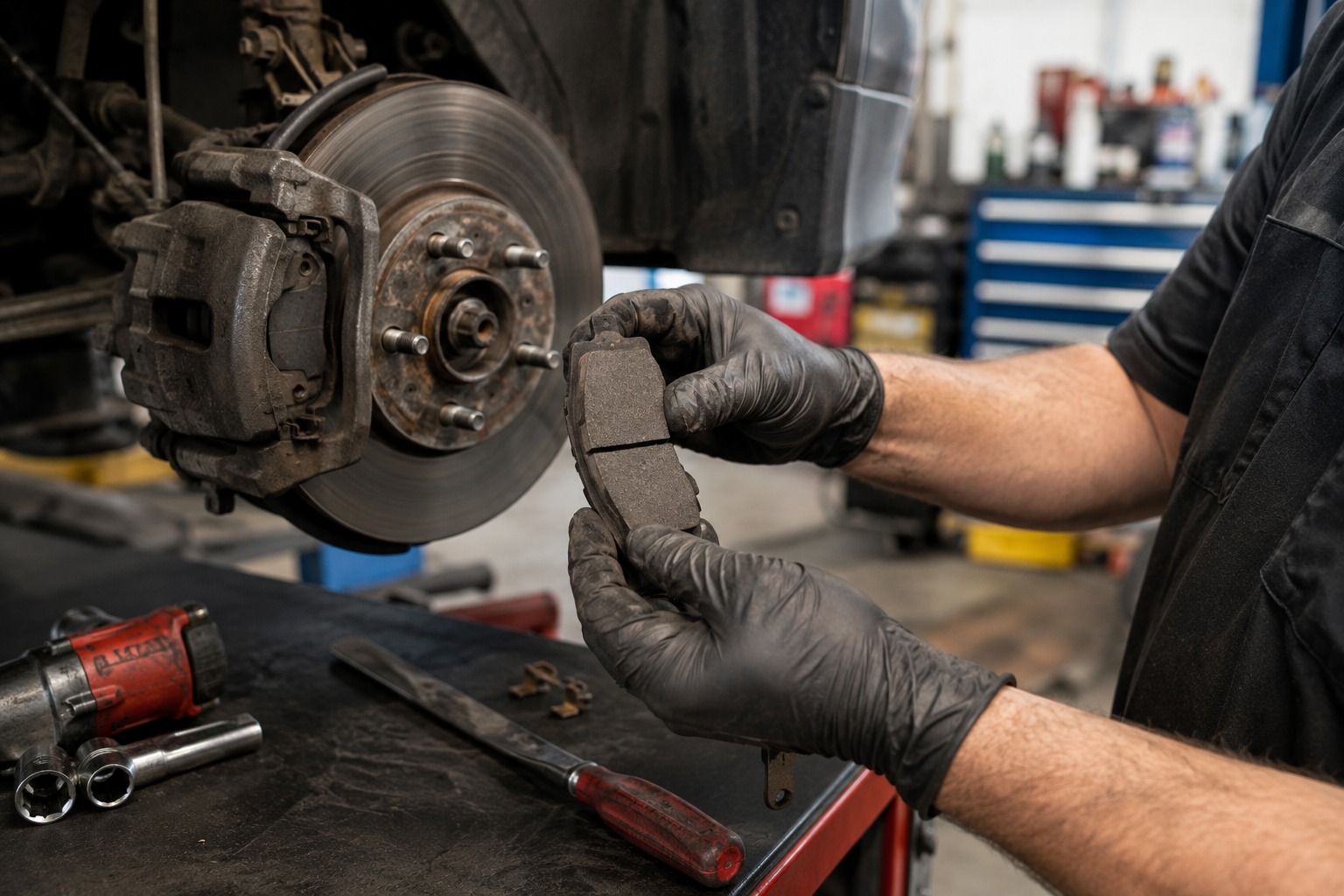
Canberra has more hills and roundabouts than a lot of Australian capitals, from the climb up Mount Ainslie Drive to the roundabout heavy layout of the inner north. That means more braking, more heat in the pads and discs, and faster wear than a car doing mostly flat highway kilometres. We covered the early warning signs in detail in how to spot brake warning signs early.
7. Fluids do more than lubricate, they protect against Canberra's temperature extremes
Coolant prevents freezing in winter and boiling over in summer. Brake fluid absorbs moisture over time, which lowers its boiling point and can affect braking performance on long descents like the drive back from the Brindabellas. Transmission fluid keeps gear changes smooth in both stop start city traffic and open road driving. We go into more depth in why regular fluid services matter more than you think.
8. Not every mechanic is NRMA authorised, and that matters if you make a claim
If your vehicle is covered by NRMA insurance or you are relying on a roadside assistance referral, using an NRMA authorised repairer in Canberra can make claims and approvals far more straightforward, since the workshop already meets the required standards and reporting process.
9. European and German cars need a mechanic who knows the platform
BMW, Audi, Mercedes-Benz and Volkswagen vehicles use diagnostic protocols, service intervals and parts that differ from mainstream Japanese or Korean models. A generalist mechanic without the right software or training can miss a fault or use an incorrect procedure. Robbs Automotive works on all makes and models, including dedicated experience with European and German vehicles, so BMW service in Canberra gets the same attention to detail as any other brand.
10. Repair times vary a lot by vehicle, and you should always get a time and price upfront
A brake pad swap on a common hatchback and the same job on a European sedan with electronic parking brakes are not the same length of job, and should not be quoted the same way. Ask for upfront pricing before work starts, not after.
Vehicle Repair Times Guide: Typical Job Lengths
| Service or repair | Typical time | Notes |
|---|---|---|
| Logbook service (standard) | 1 to 2 hours | Varies by make and service tier |
| Engine diagnostic scan | 30 to 60 minutes | Longer if a road test is needed |
| Battery replacement | 20 to 45 minutes | Longer on German cars needing battery registration |
| Brake pad replacement (front or rear) | 1 to 1.5 hours | Per axle |
| Coolant flush and refill | 45 to 90 minutes | Depends on cooling system design |
| Timing belt replacement | 3 to 6 hours | One of the longest common jobs |
These are general guides only. Robbs Automotive confirms an exact time and price for your specific vehicle before any work begins.
Frequently Asked Questions
Q: How often should I service my car in Canberra?
Follow your manufacturer's logbook schedule, usually every 10,000 to 15,000 kilometres or every 6 to 12 months, whichever comes first. Cars doing a lot of short cold starts in winter may benefit from slightly more frequent oil checks.
Q: Do I have to service at the dealership to keep my new car warranty valid?
No. Under Australian Consumer Law, an independent workshop using correct parts and procedures can service your car without voiding the manufacturer's warranty.
Q: How long do car batteries typically last in Canberra's climate?
Most batteries last three to five years, but frequent cold starts and short trips can shorten that. If your car has been slow to turn over on frosty mornings, have it tested before it leaves you stranded.
Q: Is a mobile mechanic as thorough as a workshop visit?
For many jobs, including logbook services and battery replacements, a mobile mechanic in Canberra can complete the work to the same standard as an in-workshop visit, with the convenience of coming to your home or office.
Q: Does Robbs Automotive work on European and German cars?
Yes. Alongside mainstream makes, Robbs Automotive has specific experience with European and German vehicles, including BMW servicing in Canberra.
Q: How do I know if a mechanic is NRMA authorised?
Ask directly, or check the workshop's own service pages. Robbs Automotive is an NRMA authorised repairer in Canberra, which can simplify insurance related work.
Final Word
None of this means you need to become your own mechanic. It just helps to know what your car is dealing with in a city that swings from frost to heatwave in the space of a few months. If something on this list sounds familiar, whether that is a sluggish start on a cold morning or a dashboard light you have been ignoring, it is worth getting it looked at before it becomes a bigger repair. Book an appointment or get in touch with the team at Robbs Automotive.
Frequently Asked Questions
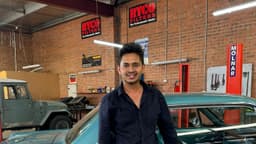
Robb
I'm Robb, the founder and owner of Robb's Automotive Batteries And Tyres. Me and my team have been servicing vehicles across the region for years—focusing on accurate diagnostics, clear communication, and reliable repairs.
From logbook servicing to brake repairs and new tyres, my priority is making sure your vehicle stays safe, protected, and performing at its best every time you hit the road.